
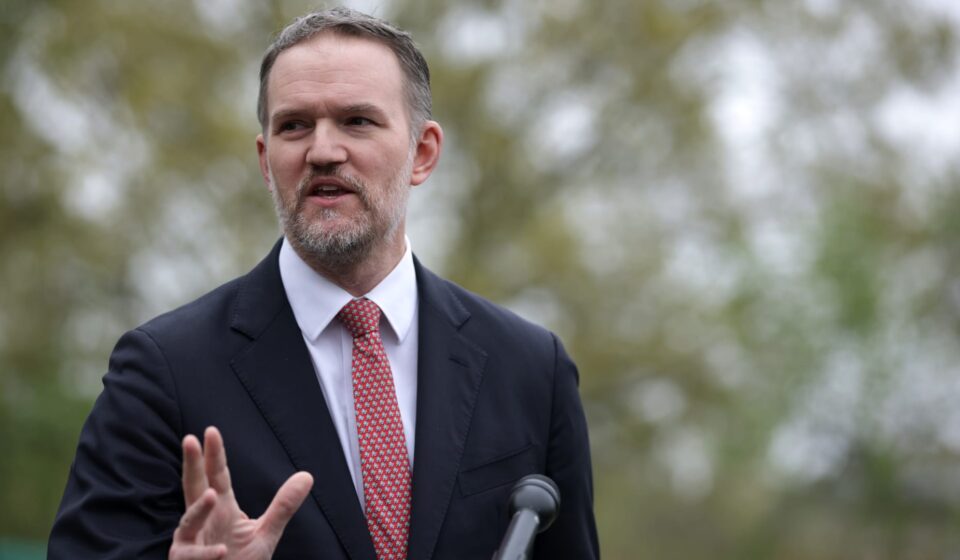


U.S. Trade Representative Jamieson Greer on Monday said Canada was responsible for the collapse of trade-deal negotiations last week, telling CNBC that Ottawa changed its demands at the eleventh hour.
«We progressed to a point Tuesday night where we had enough agreement among the parties to announce that we had we had found the way to a deal,» Greer told CNBC’s «Squawk Box.»
«Then we set about to finalize it, and then in the last hours, I think there were things that the Canadians just — you know, they wanted more,» he said.
The comments mirror those offered by Canadian Prime Minister Mark Carney, who had accused the U.S. of proposing «last-minute changes» that were «unfair, uneconomic, and called into question the reliability of any deal.»
Greer spoke to CNBC three days after Canadian negotiators left Washington without a deal to prevent President Donald Trump from enacting new 50% tariffs on about $20 billion worth of goods, including imports of wine, hockey sticks, cement and more.
Those duties took effect at 12:01 a.m. ET on Saturday, stoking alarm from business groups in the U.S. and Canada alike who warn that they could raise costs and wreak havoc on exposed industries.
Carney said Canada will retaliate with «dollar for dollar» tariffs against the U.S.
Greer said Monday morning that the trade clash «started» with Canada restricting sales of U.S. alcohol, autos and dairy last year. Canada imposed those trade barriers in response to tariffs from Trump, who has questioned free-trade deals and championed the heavy use of import taxes.
Greer said that in response to Canada’s refusal to eliminate those barriers, «we proposed some very tailored tariffs, covering about 5% of what they send us.»
While the new 50% tariffs cover just a fraction of total U.S.-Canada trade, business groups argue the consumer-focused list of targeted products will take a major toll on exposed sellers.
«The impact on small businesses will be immediate and significant,» said Dan Kelly, President of the Canadian Federation of Independent Business, in a statement Saturday.
Greer said that the U.S. «sought to accommodate the Canadians» during the recent negotiations «by cutting tariffs in half on steel, on aluminum, and extensively reducing them on on autos, and even on things like like softwood lumber, accommodating some element of that.»
«Simply, they wanted more,» he said.
«I don’t know if it was political for them. It certainly doesn’t make economic sense, but perhaps for political reasons,» Greer added. » I don’t know, but they came in and they wanted they wanted more, and we were prepared to do that.»
This is breaking news. Please refresh for updates.
Fuente:
Leer la noticia original