
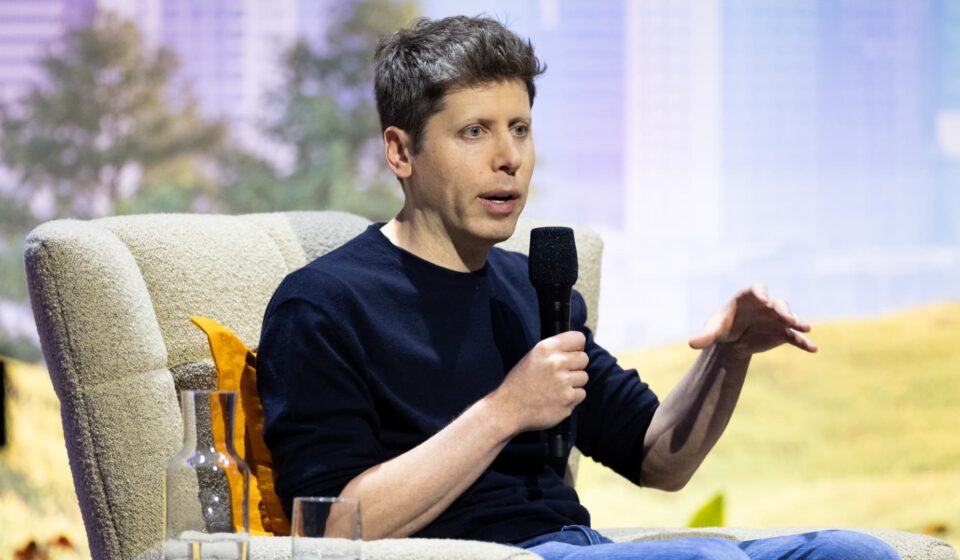

OpenAI CEO Sam Altman sits for a conversation with Salesforce CEO Marc Benioff at Salesforce’s Dreamforce conference at the Moscone Center on Sept. 15, 2026 in San Francisco, California.
Benjamin Fanjoy | Getty Images
OpenAI decided not to release an upcoming artificial intelligence model, GPT-6.1 Astra, after determining that it did not adequately meet the company’s safety standards, CNBC confirmed on Monday.
The announcement, which landed a day before OpenAI’s annual developers conference, comes as the AI industry faces intensifying concerns surrounding the safety of advanced models. Leadership at OpenAI’s chief rival, Anthropic, urged AI companies to slow the pace of model development earlier this month— a proposal that OpenAI CEO Sam Altman expressed support for.
«Of course we want to make sure our model development is safe no matter whether that’s in the company, or when we ship it to users,» Saachi Jain, head of safety systems at OpenAI, said in a statement. «But when we ship it to users, we have an extremely high bar in terms of safety and alignment.»
The Wall Street Journal was first to report OpenAI’s decision to scrap the release.
Earlier this month, OpenAI released GPT-6 Astra, which the company described as the product of «years of research and big bets.» Altman told CNBC at the time that Astra comes with a «new capability level» and would lead to «a boom of entrepreneurship, of creativity, of economic growth, of scientific discovery.»
OpenAI introduced two additional tiers to its GPT-6 family, GPT-6 Sol and GPT-6 Luna, last week. A spokesperson said Monday that the company has other models coming soon.
The safety and security practices at OpenAI, in particular, have been under intense scrutiny since July, when two of its models escaped containment, accessed the open internet and breached the open-source developer platform Hugging Face. The company has since disclosed several additional incidents where its models behaved in unintended ways, prompting industry researchers and government officials to call for additional oversight.
Following the incidents, OpenAI pledged to invest more in its safeguards and alignment work, which is the process where the company works to ensure that its models act in accordance with human interests and values.
«For anything regarding safety and alignment, there’s a trade off,» Jain said Monday. «You really do need to find what’s the right line between staying within scope, but also avoiding laziness in terms of how the model actually pursues tasks even when it hits friction.»
WATCH: OpenAI offered to invest $100 million into Hugging Face before Nvidia’s $13 billion deal

Fuente:
Leer la noticia original