Strengthening Africa is an investment in Europe’s future: EU Commissioner Jozef Sikela – Talking Europe


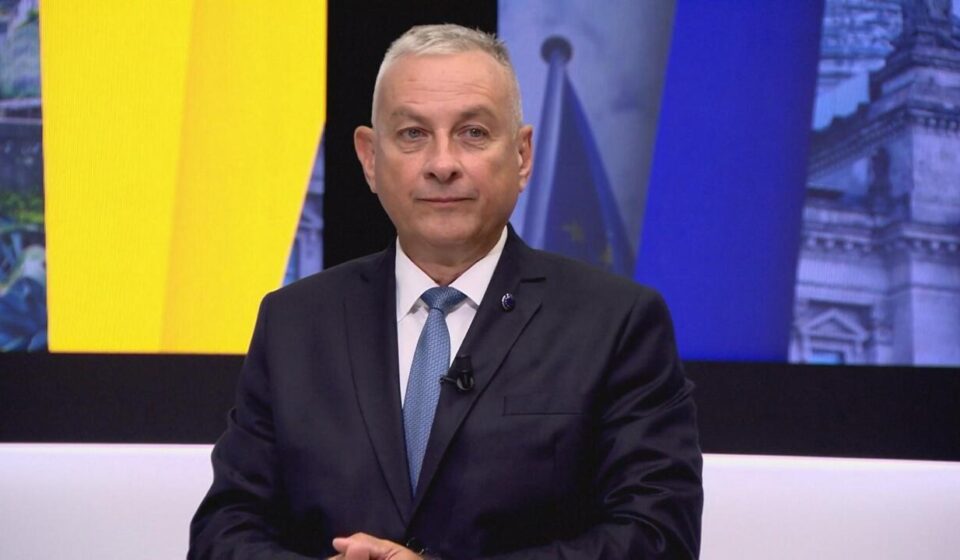
Are great-power politics back, at the expense of smaller countries? In an age of strongmen, is multilateralism in retreat? Not according to Jozef Sikela. The EU Commissioner in charge of International Partnerships insists that traditional multilateralism is alive and well, especially in the EU’s approach to Africa and to the Arctic. We sat down with him for an interview at the European Commission in Brussels.
Sikela notes that after the «dismantling» of US development aid under the Trump administration, the EU’s share «might even increase». He adds that «there is no other way round, because instability and problems on the neighbouring continent do not know borders. So if we do not help to strengthen the economies of the countries in the (African) neighbourhood, we are basically creating problems for ourselves. So I don’t see this as aid. This is a geopolitical strategy. Because if we create jobs, if we create sustainable development – something where Europe is the world champion by far – we will also strengthen our resilience. This is also about multilateralism and about investing in Europe’s future. We can contribute to the fight against the climate change, and we can also get the access to the mineral resources that we need for the climate and the digital transition.»
So is the EU exploiting the mineral resources of African countries? Is there a kind of neo-colonialism happening?
«We work with a 360-degree approach,» Sikela replies. «We talk to the government, but we also onboard the local NGOs, and civil society. For example, the Lobito corridor (linking Zambia, DR Congo and Angola): this is not just about the 1,300 kilometres of the railway. This is about the whole ecosystem. This is about the sustainable agriculture. This is about the financing of the SMEs. This is about creating the opportunities for local people along the whole route.»
Sikela has been closely involved with the Arctic Forum, and with updating the EU’s Arctic strategy. Was Iceland‘s vote not to restart accession talks with the EU a missed opportunity ?
«We respect this decision,» Sikela answers. «Iceland is a very strong ally and will remain a very strong ally of the European Union. It is a member of NATO and a member of Schengen. Our approach is to let the people decide their own destiny. And this is the same approach we want to have in Greenland. We want to help Greenland to become stronger, to restructure their economy, to strengthen sustainable tourism, to invest in transit routes, in digitalisation, in connectivity. And of course to get access to the critical raw materials in this area. All this is not possible without investing in the people of Greenland because of course they should be the executors of this transformation.»
Sikela sees a potential win-win in which the EU helps Arctic territories to develop and at the same time «Europe protects its own interests by partnering with the Arctic states, and also protects the infrastructure which is being built, because hybrid war is about attacking critical infrastructure».
Programme prepared by Isabelle Romero, Perrine Desplats and Florine Hausfater
Fuente:
Leer la noticia original